Something switched with pandemic lockdowns. While the world was holding its breath, tens of millions of adults were doing something they’d lost the taste of decades ago: hobbies. Not resume-padding or hustle-generating, but plain old creative play for its own sake. Woodworking, crocheting, ceramics, and bread-baking, the hobby revival is more than a series of fleeting fads. Therapists and psychologists are aware of what cynical practitioners know, i.e., arts and hobbies yield mental health returns unachievable from productive activity.
The Post-Pandemic Revival of Creative Expression Hobbies
The numbers are telling. Yarn craft sales grew 67% from 2019 to 2022, and YouTube-esque websites hosted hobby tutorials that were viewed in the billions. It wasn’t productivity tricks or income streams. Adults craved something tactile: the sheer joy of making something with one’s own hands.
Bugging the hobby revolution:
- Pandemic lockdown gave humans time and psychic space to fool around
- Screen fatigue pushed people to bodily, material practice
- Financial crisis once again made autonomy skills appealing to them
The hobby is much more than tired art. Wood shops have waitlists, local pottery studios struggle to keep up, and MasterClass’s wonderful art classes achieved 400% engagement rates in some markets. Adults are not on the couch passively watching tutorials—they’re building workbenches, they’re crocheting jackets, and they’re building a pottery wheel. The distinction is important because passive watching is light-years away from active creation.
Read More: The Lost Art of Letter Writing — and Why It Matters Now
How Creative Play Boosts Mental Health
Neuroscience has the answer to why working as an adult is so exciting. University of Richmond neuroscientist Dr. Kelly Lambert discovered that hand-eye coordination exercises and physical learning activate reward circuits that knowledge work doesn’t. She refers to this as “effort-driven rewards”—the brain hungers for immediate feedback from physical work.
Mental health benefits of creative craft:
- Flow states in concentrated craft activity decrease anxiety and rumination
- Bilateral coordination (e.g., piano or knitting) soothes the nervous system
- Tactile success gives gratification lacking in much of modern work
- Club membership with shared interests gives social contact to prevent loneliness
Example: Computer programmer Maria Torres took up woodworking after years of burnout. “My life is meetings on meetings and problems floating around,” she says. “To be able to create a bookshelf gave me something that I could point to and say, ‘I did it.’ My therapist called it grounding.” She’s got science behind her—a British Journal of Occupational Therapy study found that 81% of knitters reported being happier after activity sessions.
Leisure assumption is that it is not required. Health or career goals serve a purpose other than pleasure. This capacity to slack is the same thing that makes one happier in life overall.
Read More: The Comeback of Analog Hobbies (Film, Vinyl, Notebooks)
Finding Your Creative Hobby in the Contemporary Era
Unlearning productivity culture is what you do to start an adult hobby. You don’t have to be good at it, monetize it, or Instagram it. The end result isn’t your objective; being present is. Try curiosity around what sounds actually enjoyable, not what’s useful or in style.
How to find new hobbies:
- Take a library workshop or community center class before investing in equipment
- Search for local hobby clubs on sites such as Meetup or Facebook
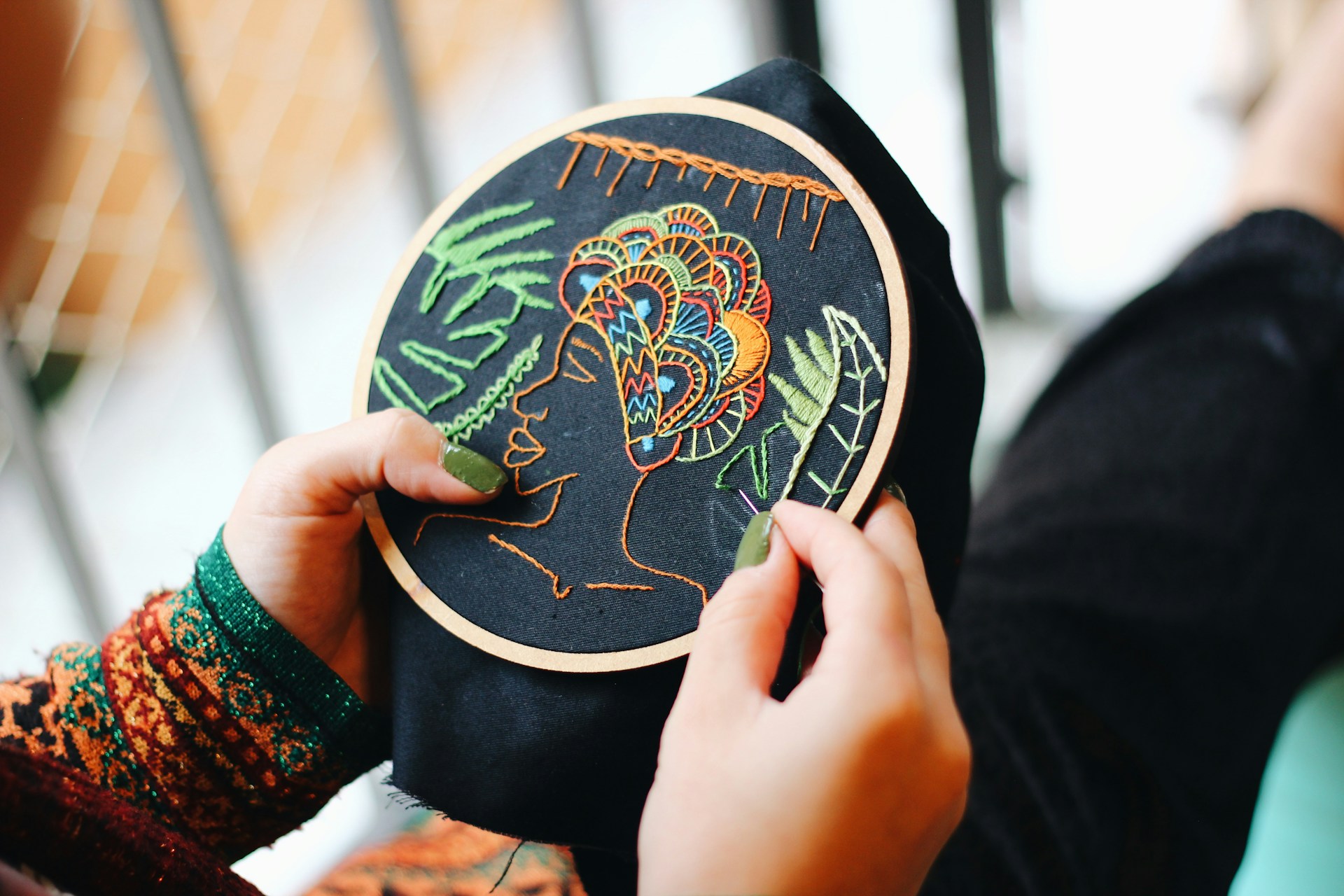
- Begin with beginner-friendly hobbies such as embroidery, gardening, or cooking
- Be awful to begin with, practice makes perfect
Hobby mania shows no signs of abating. As more and more individuals work from home and screen culture is solidified as the new normal, people crave increasingly tactile activities that engage other parts of the brain. Regardless of whether one opts to crochet, woodwork, or calligraphy pen, it all depends less on the act of doing and increasingly on the act of doing something where you have no sense of time.
The latest trend in activities is adults reclaiming creative play from kids. It’s not navel-gazing—a novel form of self-care therapy that feeds mental well-being through hands-on creation and playful attention. Creative pursuits provide adults what work never will: immediate feedback, bodily rewards, and permission to play. Choose one activity this month that appeals to you. Your mind doesn’t need another productivity trick; it needs play.
Read More: Cultural Traditions Worth Preserving in a Fast-Moving World