Somewhere between work and home, there must be: the third place. Sociologist Ray Oldenburg coined the term “third place” in 1989 to describe nonaligned public spaces where people go to hang out, get connected, and simply be without an agenda. As our expanding digital life unfolds, these traditional third places—bookstores, libraries, community centers, and cafes — will be required more than ever. Community is where it happens, creativity thrives, and loneliness gets cured.
What a Third Place Is Uniquely About
Third place isn’t a destination, but a publicly accessible middle ground that serves as the social glue of community life. It’s neither home (first place) nor work (second place), where there’s status and the imperative to perform, no rule of housekeeping. Oldenburg mapped out a string of traits that make them unique: they’re public, open, and talk in the middle.
Key attributes of true third places
- Public space where everyone is equal
- Median customers that promote a sense of familiarity and belonging
- Low threshold to enter with low social or economic requirements
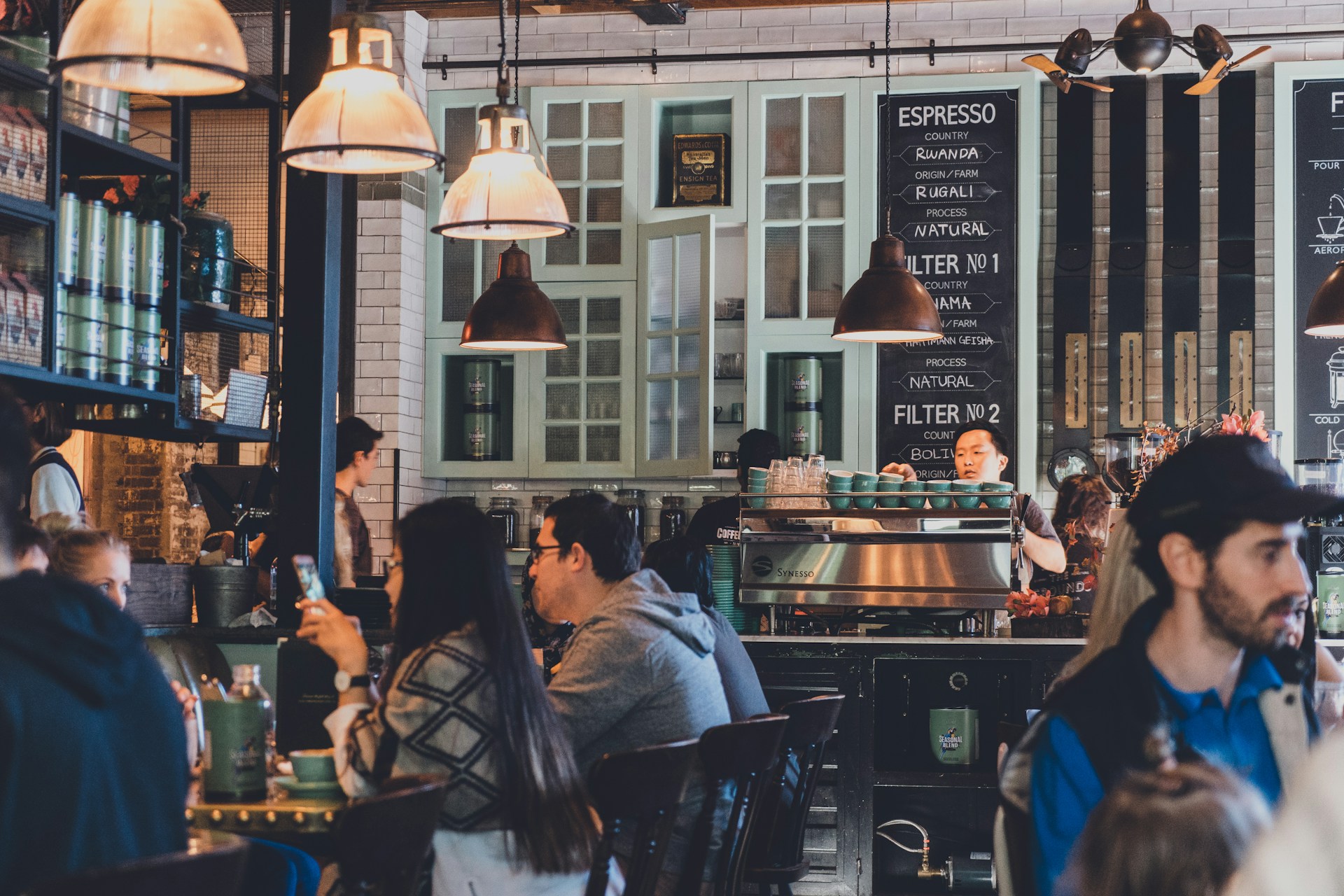
Your coffee shop with nicer folks. Starbucks followed Oldenburg and took his concepts and applied them to the shopping space, creating the “third place coffee shop” concept that redefined cafe society globally. The worn-out couches, communal tables, and open internet were no accident; those were deliberate community designs.
Read More: Travel Etiquette for a Global World
Why Physical Spaces Matter More in the Digital Age
Home work and social networking were supposed to be integrated everywhere, but today, loneliness is an epidemic, according to studies. In a Harvard survey, 36% of Americans reported feeling extremely lonely, with younger generations expressing the highest levels of loneliness. The third space provides what the screen cannot: incidental encounters, the body, and the easy stillness of togetherness.
Brooklyn’s Molasses Books, a bookstore-café with readings, had owner Javier Ramirez surrounded by customers who were just hanging out for hours, instantly becoming friends with strangers on the strength of a book. “People are starving for genuine connection,” he says. “They come for books but return for the community.”
Coffee shop culture has gone too far because it is profiting from something that humans need. The ambient hum in the background, familiar faces in chairs at the counter, and the potential for conversation are all combating loneliness in a way that group messaging and FaceTime just can’t.
Read More: The Psychology of Nostalgia Marketing
Finding and Creating Third Places Today
The best third places are probably right on your own doorstep, but maybe just not yet conceived to the point where they might be. Local bookshop, local pub, local allotments, and town library are all possible contenders. The art is to pop in every now and then and linger around. Community accrues from familiarity and usage.
How to access third places:
- Choose a local business and go there as an everyday haunt
- Saying hello in casual encounters with the staff and clients
- Go to the activities or events offered in these establishments
- Assist them as much as possible; third spaces need sustainable business models
Even cities are realizing the value of such places. Paris Mayor Anne Hidalgo’s “15-minute city” concept is essentially a concept of neighborhoods with public spaces nearby. Where the third place thrives, social connection, mental health, and communities that are more than just neighborhoods also thrive.
The third place has something work and home cannot: our very need for frequent, casual contact with the community. As more and more life is being lived online, third places are increasingly necessary. It’s my neighborhood coffee shop, the bookstore in our ‘hood, or the community center — a third place that reminds us that a sense of belonging is rooted in human-to-human contact. This week, visit your third place. Stop by, linger for a bit, and immerse yourself in the community.
Read More: The Future of Libraries